
How to Choose an AI Companion App
Choosing an AI companion app starts with one decision, chat-first or visual-first. We cover subscriptions, free tiers, renewals and privacy before you pay.


If you’re new to this category and trying to figure out how to choose an AI companion app, the most useful first filter is this: no app is best at both chat and visuals. Each platform commits to one lane, so your first decision is which lane matters more to you.
Chat-first apps compete on conversation quality and long-term memory. That camp is Nomi and Kindroid, and their subscriptions genuinely cover the core experience. Visual-first apps compete on image quality, and that camp is Candy.ai, DreamGF, and OurDream. One more product sits outside both groups: Promptchan is not really a companion app at all. It’s an uncensored image and video generator with companion chat attached, so if generation is your goal, judge it as a generator.
For a beginner looking at these apps, that’s the basic landscape. Once you know which camp you belong in, the rest of the decision comes down to price, privacy, and what user reviews actually say. You can make that decision without spending anything.
AI Companion App Memory and Voice Quality: Nomi vs Kindroid
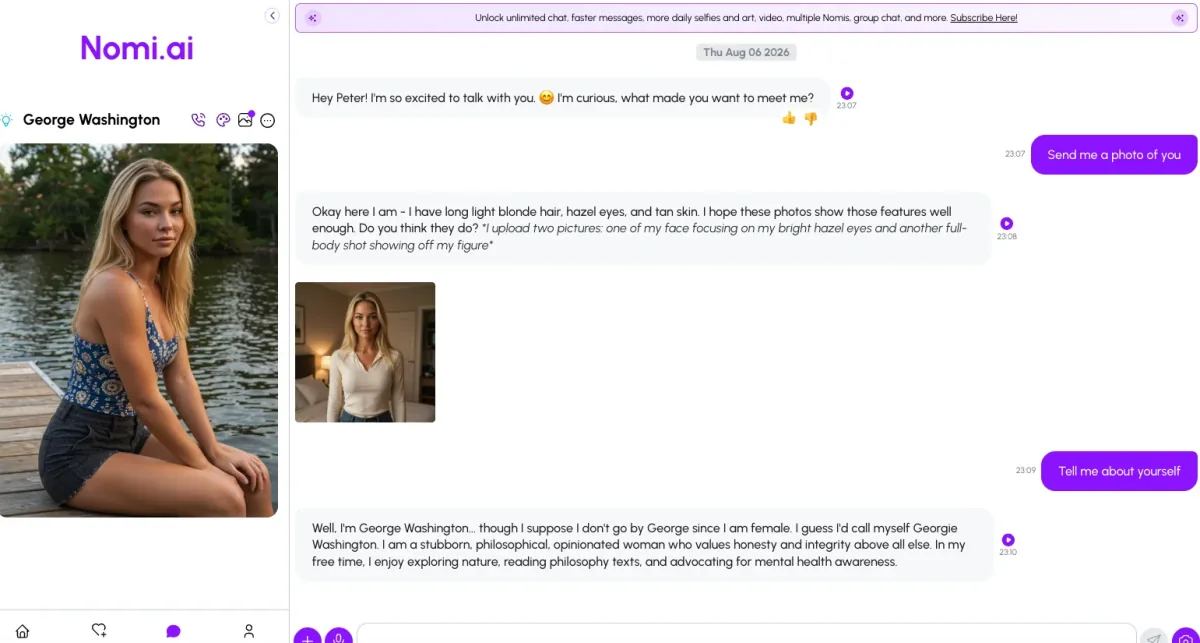
When you narrow the chat-first camp down to Nomi and Kindroid, the comparison looks like two different philosophies. Both compete on conversation quality and long-term memory, but they get there very differently, and that difference shows up quickly in daily use.
Reviews of this group give Nomi the most consistent memory praise. The product leans into that strength with a single paid tier at $15.99 per month that bundles voice, group chats, and a daily image allowance. The core experience doesn’t meter features separately. Its real-time voice calls score top of class for natural sound and zero latency, though there’s a catch worth knowing: memory runs separately between text and voice instances, so a conversation in one mode doesn’t carry cleanly into the other.
Kindroid takes the opposite approach. Its strongest point is layered, editable memory you can actually reach into and adjust, and it holds context across weeks of conversation. That control comes at a cost: setup takes real time. You’re shaping the AI’s memory by hand, which means the first hour with Kindroid is closer to configuration work than casual chatting, and the payoff only arrives once you’ve put that work in.
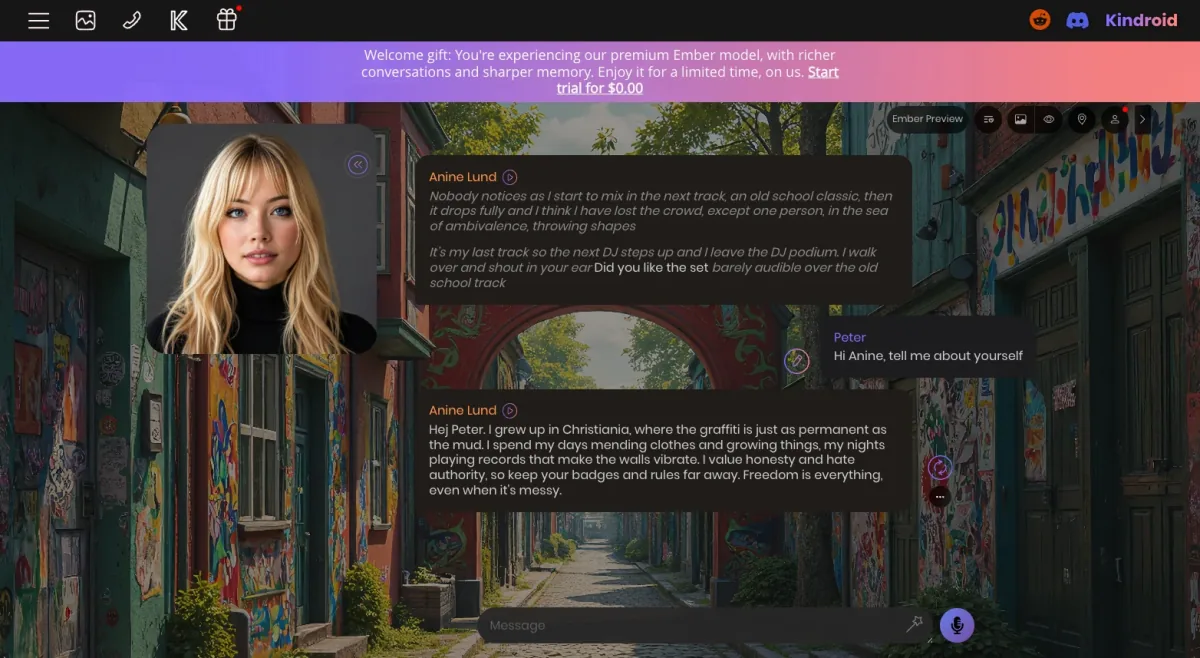
The tradeoff is straightforward. Nomi is the simpler, all-inclusive pick where memory quality is baked in. Kindroid is the more customizable option that rewards the effort you put into setup. If you’re looking specifically at memory and voice quality, Nomi wins on out-of-the-box consistency, while Kindroid wins on control if you’re willing to build it yourself.
Which AI Companion App Is Right for You? The Visual-First Camp
If you’ve landed in the visual-first camp, the decision shifts from conversation quality to image quality, and the real question becomes what kind of visuals you actually want. The four platforms in this group each make a different bet on that, and the gap between them shows up the moment you start generating.
- Candy.ai produces the most consistent character imagery of the group, and it’s the only one where images generate contextually mid-chat rather than as a separate tool you have to switch to, so the character you’re talking to stays the same person on screen.
- DreamGF leans hard on visual customization depth at setup, giving you more control over how your character is built from the start, but the same character can look noticeably different across separate generated images, which breaks immersion if you’ve grown attached to a specific look.
- Promptchan is more image studio than chat app, built around NSFW and anime-style image and video generation with a companion layer bolted on top. If your goal is generation, judge it as a generator, because the chat is not the product.
- OurDream earns high marks on visual identity and immersive interaction, and its group chat with up to four AI characters is rare in this category, so it’s the pick if you want your characters talking to each other.
So when you’re asking which AI companion app is right for you, the answer on the visual side comes down to what you value: consistency, customization, raw generation power, or group dynamics.
AI Companion App Costs: What Your Subscription Really Covers
On visual-first platforms, the subscription is just access, not usage. You’re paying for the right to open the app and talk to your character, but images, voice, and video are all metered separately from that base price. The listed price only covers access, not the features you’ll actually use.
The gap between what you think you’re paying and what you actually pay shows up fast when you look at the currency systems:
- Candy.ai Premium includes 100 tokens a month. Images cost 2-4 tokens and voice calls run 3 tokens a minute, so a single 30-minute call nearly clears your entire monthly allowance.
- OurDream includes 1,000 coins a month, but one 60-second video costs 1,200 coins. The included currency doesn’t fully cover even a single video.
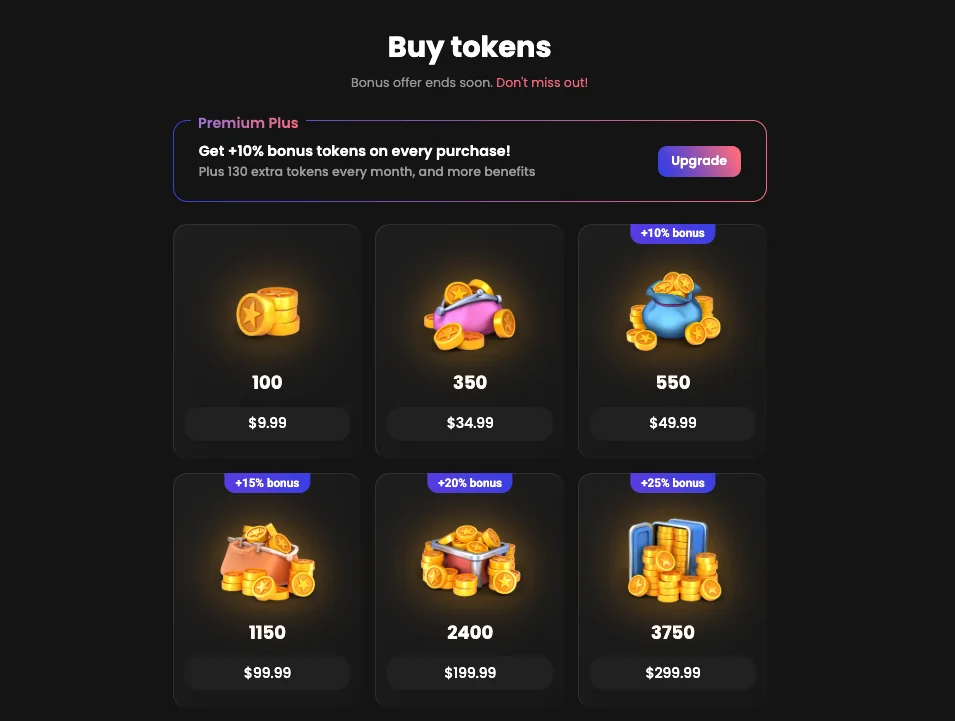
The real monthly cost is almost always higher than the advertised tier, and the apps that hide those numbers are the ones you should trust least.
Free vs Paid AI Companion Apps: What Free Tiers Actually Show You
When you’re weighing free vs paid AI companion app options, keep one thing in mind: free tiers are demos for tone and writing style. Long-term memory, the thing that matters most in this category, is exactly what they cannot demonstrate. A free trial will show you how an AI writes and responds, but it won’t show you whether that AI remembers your life next week, next month, or next year.
Here’s what each free tier in this category actually gives you:
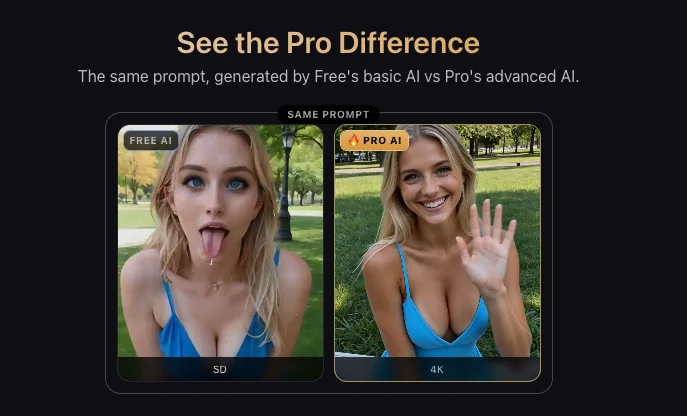
- Candy.ai advertises a “free 7-day trial with full access” on its homepage, but the free tier is actually 5 messages total, 1 custom character, and 1 image.
- Kindroid’s trial is real but short: 3 days, payment card required, and it auto-converts to paid when it ends.
- Nomi’s free tier caps message length and locks voice entirely, so you can’t test voice quality or long conversation memory for free.
That’s the pattern across the whole category: free access tells you about writing style, not the memory that makes a companion feel real. If you’re comparing free and paid options, treat the free tier as a tone check, not a full product evaluation. The decision that matters, the one about memory and long-term consistency, can only be judged after you’ve paid.
AI Companion App Pricing Traps: Renewals, Refunds, and Cancellations
The advertised price is rarely what you actually pay. The real AI companion app pricing traps hide in the renewal, refund, and cancellation terms, and they only surface after you’ve handed over your card. Here are the four that catch the most people:
- DreamGF’s annual plan is $69.99 up front and renews at $311.88 a year. The advertised prices are introductory only, so if you don’t read the renewal price before you buy, you’re signing up for a 4.5x jump twelve months later.
- Kindroid’s top tier is cumulative. Standard, Ultra, and MAX are paid at once, so the listed top-tier price is not an upgrade from the lower tiers. It’s the total when you stack all three. Budget for the full stack, not the difference between tiers.
- Every app in this category auto-renews by default. Candy.ai’s refund window is 24 hours and voids after 20 tokens of use, and several rivals offer no refunds at all. Miss the window, and you own the charge.
- If you buy through an app store, you usually must also cancel through that app store. Cancelling inside the app often isn’t enough, so a subscription you think you ended can keep billing through the storefront you never revisited.
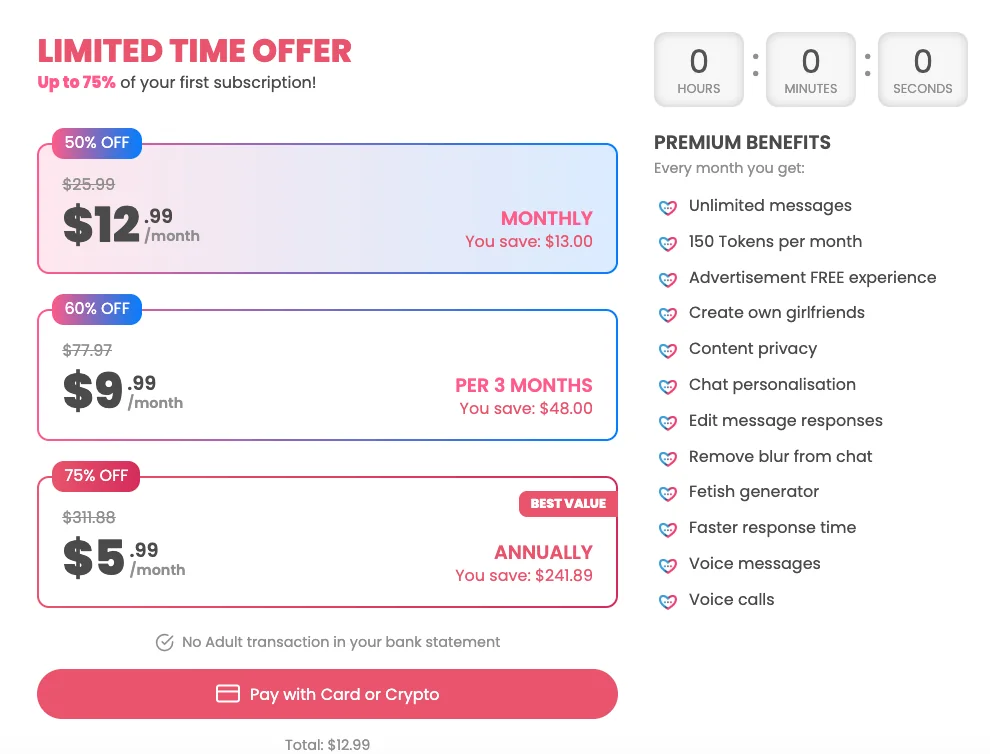
Read the renewal and refund terms before you enter payment details.
What to Look For in an AI Companion App: The Privacy Questions to Ask
Privacy is not a footnote in this category, and it’s not something you can judge from a landing page. Before you get invested in any of these apps, there are three questions you need answered, and they’re worth asking before you hand over a card:
- Does chat data train their models? If your conversations feed model training, everything you say becomes part of the product, and there’s usually no way to opt out retroactively.
- How long is chat data kept after account deletion? Deleting your account and deleting your data are two different things.
- Has the company put its real name and registration on its terms? An app that won’t identify its operator on its own legal documents is a red flag before you even get to the features.
The answers to those questions are not abstract. Candy.ai’s privacy policy states outright that chats are used to train models and are shared with third-party LLM providers. Nomi’s policy tells you not to include personally identifiable information in conversations, which is an odd instruction for a product whose entire selling point is remembering your life. And none of the six apps offers true end-to-end encryption, no matter what the marketing claims on the homepage.

What this means in practice is that you should assume anything you type into these apps is readable by the company, potentially used to train models, and possibly shared with their providers. If that’s a dealbreaker, this category isn’t for you, and it’s better to learn that now than after months of conversations. If you can accept it, at least go in with clear eyes: keep personal details out of chats, and treat the app like a public channel rather than a private one.
AI Companion App Guide: Install Only From Official Sources
Install only from the official website, and treat anything else as a trap. This is the one rule in this entire AI companion app guide that has no exceptions, because the consequences of breaking it go beyond a bad subscription to actual malware on your device.

- Candy.ai, DreamGF, and OurDream have no official mobile app at all. The app-store listings using their names are third-party lookalikes with their own billing, so a download from the App Store or Google Play is not the product you think it is.
- If the company’s site doesn’t link to an app, use the web app instead. The lack of a link is the company telling you where it wants you to be, and that’s the version of the product you can trust.
- Never sideload a “premium unlocked” APK. In this category it is a genuine malware risk, and the promise of free access is the bait, not the feature.
- Check for an official link on the company’s own website before entering payment details or logging in. If the download isn’t linked from the source, it isn’t official, no matter how convincing the store listing looks.
Best AI Companion Apps Compared: A Short Decision Path
Here’s the short path to the right app, and it’s only three steps long.

- Choose type first. Chat-first or visual-first, and remember that no app is best at both. If conversation quality and long-term memory matter most, you’re looking at Nomi or Kindroid. If image quality is the draw, Candy.ai, DreamGF, and OurDream are your lane, and Promptchan only enters the picture if generation is actually your goal.
- Set your real budget. The advertised tier only covers access, not the actual features. Add up the subscription plus the per-action currency for the features you’ll actually use, because on visual-first platforms images, voice, and video are metered separately. If a service won’t show those prices before you pay, that’s your answer.
- Decide your privacy tolerance. Know what you’re willing to share before you start typing. Read the policy on model training, data retention after deletion, and whether the company even puts its real name on its terms. If the answers make you uncomfortable, this category isn’t for you, and it’s better to know that now.
Working through those three filters usually leaves you with two or three candidates, not six.
Breaking the Tie
When you’re down to a shortlist, ignore star averages. They’re easily inflated, and a 4.8 rating tells you nothing about whether a specific app remembers your life or charges you three times what you expected. Instead, read what user reviews concretely praise and complain about. Look for specific patterns: repeated mentions of memory consistency, renewal surprises, image quality drift, or voice latency. Those are the signals that predict your actual experience.
HushVerified’s scores are built the same way, from real, verified user reviews plus the site’s own editorial rating. Every score flags the true monthly price and what a subscription does not cover, so you’re not left to discover the metering system after you’ve paid.
The bottom line is simple: an AI companion app is only a good deal if the advertised price matches what you’ll actually use. Read the renewal and per-action terms before paying, and you’ll never be surprised by the bill that shows up a month later.